What Is Rejection Sensitive Dysphoria (RSD) in ADHD? Understanding the Intense Fear of Rejection
Have you ever spent hours replaying a conversation in your mind because someone sounded slightly upset? Have you ever felt crushed by a small piece of criticism, even when it was meant to be helpful? If so, you’re not alone. For many people with ADHD, emotional reactions can sometimes feel just as challenging as difficulties with attention or focus.
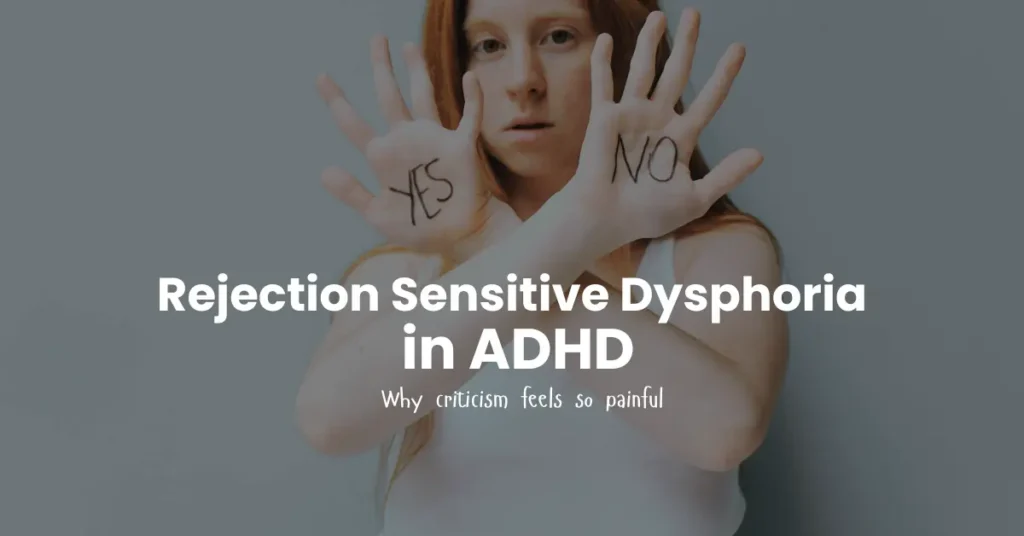
One emotional experience that is frequently discussed within the ADHD community is Rejection Sensitive Dysphoria (RSD). RSD refers to an intense emotional response to real or perceived rejection, criticism, or disapproval. While everyone experiences rejection from time to time, people who experience RSD often feel emotional pain that is much stronger and more overwhelming than what others might expect.
In this article, we’ll explore what Rejection Sensitive Dysphoria is, how it relates to ADHD, the signs that may indicate you’re experiencing it, and practical ways to manage it in everyday life.
What Is Rejection Sensitive Dysphoria (RSD)?
Rejection Sensitive Dysphoria is a term used to describe intense emotional sensitivity and pain triggered by rejection, criticism, teasing, failure, or the belief that someone is disappointed in you. The word “dysphoria” refers to a profound state of emotional discomfort or distress, which helps explain why reactions to rejection can feel so overwhelming. A concept commonly discussed by organizations such as CHADD, and Cleveland Clinic
For someone experiencing RSD, even a minor comment or perceived slight can trigger feelings of embarrassment, shame, sadness, or frustration. These emotions often appear suddenly and can feel difficult to control. In many cases, the reaction isn’t based on actual rejection but on the fear or assumption that rejection has occurred.
For example, if a friend takes longer than usual to reply to a message, someone with RSD may immediately worry that they’ve done something wrong or that the friendship is in trouble. While others may simply assume their friend is busy, the person experiencing RSD may spend hours overthinking the situation and feeling emotionally distressed.
Is Rejection Sensitive Dysphoria an Official ADHD Diagnosis?
Although RSD is widely discussed among ADHD experts, researchers, and individuals living with ADHD, it is not currently recognized as a separate diagnosis in the Diagnostic and Statistical Manual of Mental Disorders (DSM-5), according to guidance from the American Psychiatric Association and educational resources from NIMH and CHADD. This means that healthcare professionals cannot formally diagnose someone with RSD as a standalone condition.
However, many experts believe that RSD is closely connected to emotional dysregulation, which is a common but often overlooked aspect of ADHD. Emotional dysregulation refers to difficulties managing emotional responses, particularly when emotions are intense or triggered unexpectedly. Because ADHD affects brain systems involved in attention, impulse control, and emotional processing, it may also contribute to heightened sensitivity to criticism and rejection.
Why Is RSD Common in People With ADHD?
ADHD affects much more than attention and hyperactivity. Research and clinical observations suggest that people with ADHD often experience emotions more intensely and may find it harder to regulate those emotions once they’re triggered. This can make situations involving criticism, rejection, or disappointment feel especially painful.
Another reason RSD may be common among people with ADHD is the accumulation of negative experiences over time. Many individuals with ADHD grow up hearing frequent corrections from parents, teachers, or peers. They may struggle academically, face misunderstandings in social situations, or receive repeated feedback about behaviours they find difficult to control. Over the years, these experiences can create a heightened sensitivity to criticism and a strong desire to avoid future rejection.
As a result, even small comments or perceived signs of disapproval can trigger intense emotional reactions because they seem to confirm long-standing fears of not being good enough, capable enough, or accepted by others.
Common Symptoms of Rejection Sensitive Dysphoria
Rejection Sensitive Dysphoria can look different from person to person, but certain patterns are commonly reported. Many people experience intense emotional pain after receiving criticism, even when the feedback is constructive. Others constantly worry about disappointing people and may go to great lengths to gain approval or avoid conflict.
Some individuals become people-pleasers because they fear upsetting others. Others find themselves replaying conversations repeatedly, analysing every word for signs of rejection. It is also common to avoid situations where failure is possible, such as applying for a new job, speaking up in meetings, or trying a new hobby.
Many people with RSD describe feeling embarrassed easily, becoming overwhelmed by negative feedback, or experiencing sudden waves of sadness, frustration, or anger after perceived criticism. These emotional reactions can have a significant impact on self-esteem, making it difficult to recognize personal strengths and accomplishments.
For example, imagine a manager says, “Great job on the presentation. Next time, consider adding more data to support your points.” While most people would hear both the praise and the suggestion, someone experiencing RSD might focus entirely on the criticism and spend the rest of the day feeling inadequate.
How RSD Can Affect Daily Life
The effects of Rejection Sensitive Dysphoria often extend beyond emotional reactions and can influence many areas of daily life.
In relationships, RSD can create misunderstandings and emotional strain. A person may interpret neutral comments as criticism or become worried that a loved one is upset with them, even when there is no evidence to support that belief. This can lead to excessive reassurance-seeking or fear of abandonment.
In work and academic settings, RSD may contribute to perfectionism and avoidance. Someone might hesitate to share ideas, apply for opportunities, or seek feedback because they fear criticism. Even constructive suggestions can feel deeply personal, making professional growth more challenging. RSD can also impact self-confidence. When rejection or criticism feels intensely painful, it becomes easier to focus on mistakes rather than achievements. Over time, this pattern can lead to negative self-talk and a persistent belief that one is falling short of expectations.
Rejection Sensitive Dysphoria vs. Social Anxiety
Although Rejection Sensitive Dysphoria and social anxiety can appear similar, they are not the same thing. Social anxiety is primarily characterized by a fear of being judged or embarrassed in social situations. People with social anxiety often feel anxious before social interactions and may avoid them altogether.
RSD, on the other hand, is more specifically connected to the experience or perception of rejection and criticism. The emotional reaction tends to occur after a triggering event or perceived rejection. While both conditions involve emotional distress, the underlying concerns and triggers are often different.
It is also possible for someone to experience both social anxiety and RSD at the same time, particularly if they have ADHD.
How to Manage Rejection Sensitive Dysphoria
Managing RSD starts with recognizing personal triggers. Understanding which situations tend to cause emotional reactions can help create greater awareness and reduce automatic responses. For some people, workplace feedback is a trigger. For others, it may be relationship disagreements, social media interactions, or perceived exclusion from social events.
It can also be helpful to challenge automatic assumptions. When emotions are running high, the brain may immediately jump to conclusions such as, “They must be upset with me” or “I failed completely.” Taking a moment to examine the evidence can create a more balanced perspective and reduce emotional intensity.
Developing emotional awareness is another valuable strategy. Journaling, mindfulness practices, and mood tracking can help identify patterns and improve emotional regulation over time. These tools encourage individuals to observe their feelings without immediately reacting to them.
For people whose ADHD symptoms contribute significantly to emotional challenges, professional treatment may also help. ADHD management strategies, therapy, coaching, and other forms of support can improve emotional regulation and reduce the impact of RSD.
Perhaps most importantly, practicing self-compassion can make a meaningful difference. Rejection, mistakes, and criticism are normal parts of life. Learning to respond to yourself with kindness rather than harsh self-judgment can help build resilience and reduce the emotional impact of setbacks.
When Should You Seek Professional Help?
While occasional emotional sensitivity is normal, it may be worth seeking professional support if reactions to rejection or criticism are affecting your daily life. Persistent emotional distress, relationship difficulties, workplace challenges, anxiety, depression, or avoidance of important opportunities may indicate that additional support could be beneficial.
A qualified mental health professional can help identify underlying factors, provide coping strategies, and determine whether ADHD, anxiety, or other conditions may be contributing to emotional difficulties.
Conclusion
Rejection Sensitive Dysphoria is an intense emotional response to real or perceived rejection, criticism, or disapproval that is frequently discussed in connection with ADHD. Although it is not an official diagnosis, many people with ADHD recognize its impact on their relationships, careers, and self-esteem.
The good news is that RSD can be managed. By understanding emotional triggers, challenging negative assumptions, developing emotional awareness, and seeking support when needed, individuals can learn healthier ways to respond to rejection and criticism.
Recognizing RSD is often the first step toward change. Once you understand why certain situations feel so emotionally overwhelming, it becomes easier to approach them with greater self-awareness, confidence, and self-compassion.