

Why Your Mind Races at Night: Anxiety and Sleep Explained
You’re Not Alone at 2 AM
It’s late. The house is quiet. Everyone else seems to be fast asleep and yet here you are, staring at the ceiling while your brain decides this is the perfect time to replay that awkward conversation from three years ago, worry about tomorrow’s meeting, and wonder if that weird sound the car made is something serious.
If this sounds familiar, you’re in very good company. Millions of people lie awake every night with racing thoughts, and for many of them, anxiety is the culprit. The frustrating part? The more you try to sleep, the more awake you feel.
If your mind keeps running at night and you struggle to sleep because of anxiety, you are not alone. Trying too hard to sleep can make it even harder.
So what’s actually happening up there and more importantly, how do you make it stop? Let’s break it all down in plain English.
Why Does Your Brain Get Louder at Night?
Here’s something that might surprise you: your brain doesn’t actually produce more thoughts at night. It just stops drowning them out.
During the day, your mind is kept busy emails, conversations, deadlines, errands. All that activity acts like background noise that muffles your inner monologue. The moment you hit the pillow and the stimulation disappears, all those thoughts that were quietly queuing up suddenly get the floor.
Psychologists call this cognitive arousal a state where your brain is mentally active even though your body wants to rest. Think of it like trying to fall asleep with the TV blaring in the next room. Except the TV is inside your head, and you can’t find the remote.
There’s also a biological angle. Your body follows a natural rhythm called the circadian cycle, and as nighttime approaches, it starts winding down physical processes digestion slows, temperature drops, melatonin kicks in. But if your mind has unfinished emotional business from the day, it can resist this shutdown. The brain essentially says, “Hang on, we haven’t dealt with this yet.”
The result? A very tired body lying next to a very awake mind.
The Anxiety–Sleep Connection, Explained Simply
Anxiety and poor sleep aren’t just friends they’re deeply wired together, and understanding why is genuinely helpful.
When you feel anxious, your body activates what’s known as the fight-or-flight response. This is your nervous system’s ancient alarm system, designed to help you outrun predators. It floods your body with cortisol and adrenaline, speeds up your heart rate, sharpens your senses, and crucially makes you mentally hypervigilant.
From an evolutionary standpoint, this was brilliant. Falling asleep when there’s a threat nearby? Not a great survival strategy.
The problem is, your nervous system can’t always tell the difference between a genuine threat and worrying about your overdraft. Both get the same alarm bells. So when you lie down at night already feeling stressed or anxious, your body can slip into a low-level fight-or-flight state one that’s not dramatic enough to notice, but absolutely enough to keep you awake.
This is sometimes called hyperarousal a physiological state of being “on alert” that’s the exact opposite of the calm, safe feeling you need to drift off.
To make things worse, cortisol the body’s main stress hormone naturally peaks in the morning and should be at its lowest at night. But chronic anxiety can disrupt this rhythm, keeping cortisol elevated in the evenings when it should be tapering off. The result is a brain that’s biochemically wired to stay awake precisely when you want it to switch off.
Common Triggers for Racing Thoughts at Bedtime
Not everyone’s midnight spiral looks the same. Here are the most common culprits:
Work stress and unfinished tasks Your brain treats unresolved tasks like an open tab it keeps them running in the background. Research on what’s called the Zeigarnik effect suggests that we’re mentally preoccupied by incomplete tasks far more than completed ones. No wonder your to do list follows you to bed.
Health anxiety The quiet of night gives you space to notice every sensation in your body. That slight headache, the tension in your chest, the way your heart skipped a beat all of it can spiral into “what if” thinking when you have nothing else to focus on.
Relationship worries Things left unsaid, arguments not quite resolved, or the creeping fear that something’s off with someone you care about. Interpersonal stress hits differently when you’re lying in the dark with nothing to distract you.
Tomrrow’s agenda Planning, rehearsing, pre-worrying many people essentially run mental simulations of the next day while they’re trying to sleep. It feels productive. It isn’t.
Screens and overstimulation Scrolling through social media or watching intense TV right before bed doesn’t just affect your melatonin it primes your brain for stimulation at exactly the wrong moment.
The Vicious Cycle: Poor Sleep Feeds More Anxiety
Here’s where things get a bit cruel: anxiety disorder disrupts sleep, and poor sleep worsens anxiety. It’s a loop, and once you’re in it, it feeds itself.
Sleep deprivation makes your amygdala, the brain’s emotional alarm centre, up to 60% more reactive to negative stimuli. In plain terms: when you’re tired, everything feels more threatening, more overwhelming, more urgent. Which makes anxiety worse. Which makes sleep harder.
There’s also something called sleep anticipatory anxiety, where people start dreading bedtime itself because they’ve learned to associate it with lying awake and feeling awful. Going to bed stops being restful and starts feeling like a test you know you’re going to fail. That dread alone is enough to trigger the arousal response that prevents sleep a self fulfilling prophecy.
Breaking the cycle isn’t impossible, but you do have to tackle both sides of it.
10 Practical Ways to Quiet Your Mind Tonight
These aren’t magic fixes, but they’re evidence based, and they genuinely

1. Try the “worry window” technique Set aside 15–20 minutes earlier in the evening specifically for worrying. Write down your concerns, let yourself sit with them, then close the notebook. When a thought creeps up at bedtime, remind yourself: “I’ve already given this its time.”

2. Do a brain dump before bed Simply write down everything that’s on your mind, not to solve it, just to offload it. Transferring thoughts from your head to a page reduces the cognitive load that keeps you alert.

3. Practice box breathing Inhale for 4 counts, hold for 4, exhale for 4, hold for 4. This directly activates your parasympathetic nervous system, the “rest and digest” mode that counteracts fight-or-flight.

4.Keep a consistent sleep schedule Your circadian rhythm loves routine. Going to bed and waking up at the same time every day yes, weekends too strengthens your body’s natural sleep cues.

5. Make your bedroom a “no thinking” zone Reserve your bed for sleep only (and intimacy). If you’re lying awake for more than 20 minutes, get up, go to another room, and do something quiet until you feel sleepy. This is a core principle of CBT-I (Cognitive Behavioural Therapy for Insomnia).
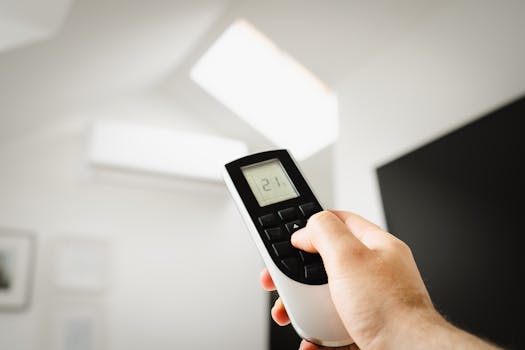
6. Cool your room down Your core body temperature needs to drop to initiate sleep. A room temperature between 16–19°C (60–67°F) tends to work best for most people.

7. Try progressive muscle relaxation (PMR) Starting from your toes, tense each muscle group for a few seconds, then release. This signals safety to the nervous system and is surprisingly effective at reducing physical tension you didn’t even know you were holding.

8. Limit caffeine after noon Caffeine has a half-life of about 5–6 hours. That 3 PM coffee? Half of it is still in your system at 9 PM. Try moving your cut-off time earlier and see if it makes a difference.

9. Create a wind-down ritual Treat the 30–60 minutes before bed like a decompression chamber. Dim the lights, put down your phone, do something calming. You’re essentially signalling to your nervous system that it’s safe to slow down.

10. Challenge your thoughts with curiosity, not judgment When a racing thought appears, instead of fighting it (which creates more arousal), try observing it with curiosity. “That’s interesting my brain is worried about that.” This slight detachment is a mindfulness technique that can reduce the emotional charge a thought carries.
When to Seek Professional Help
Everything above is genuinely useful but it’s worth being honest: some cases of anxiety driven sleep disruption go beyond what lifestyle changes can fix on their own.
If you’ve been struggling with sleep for more than a few weeks, if your anxiety is significantly affecting your quality of life, or if you notice symptoms like persistent low mood, panic attacks, or an inability to function during the day, please consider speaking to a GP ( General Practitioner) or mental health professional.
CBT-I (Cognitive Behavioural Therapy for Insomnia) is currently the gold-standard treatment for chronic insomnia, with strong evidence backing it. It specifically targets the thoughts and behaviours that perpetuate poor sleep and unlike sleeping tablets, the results tend to last.
For anxiety itself, therapy, particularly CBT, and in some cases medication, can make an enormous difference. There’s no medal for suffering through it alone.
Conclusion
Racing thoughts at night aren’t a character flaw or a sign that something is fundamentally broken about you. They’re a very human response to an anxious nervous system meeting the silence of an empty bedroom.
Understanding why it happens the cognitive arousal, the cortisol disruption, the fight-or-flight response that can’t tell a deadline from a lion takes some of the fear out of it. And with the right strategies, you genuinely can break the cycle.
Start small. Pick one or two things from the list above and try them consistently for a week. And if things feel bigger than self-help can manage, reach out. You deserve decent sleep.
If you need any help regarding your anxiety, get in touch with anxiety specialist in Wichita, Kansas Siegfried Mboya APRN, PMHNP -BC
Frequently Asked Questions
Why do I only feel anxious at night?
During the day, constant activity masks anxious thoughts. At night, with fewer distractions, your brain has space to surface worries it’s been holding all day. It’s not that your anxiety is worse it’s just finally getting airtime.
Can anxiety cause insomnia long-term?
Yes. Chronic anxiety can disrupt your sleep architecture over time, reducing deep sleep and REM sleep. Left unaddressed, this can contribute to longer-term insomnia and worsen mental health more broadly.
Is it normal for your heart to race when you can’t sleep?
A slightly elevated heart rate at bedtime when you’re anxious is common and typically harmless. It’s a sign your body is in a mild fight-or-flight state. However, if you experience chest pain or frequent palpitations, it’s worth checking with a doctor.
What’s the fastest way to stop a racing mind at night?
Box breathing combined with a quick brain dump (writing thoughts down) is one of the most effective short-term interventions. It engages the body’s calming response while reducing the mental “open tabs” keeping your brain active.