
When Should You See a Psychiatrist? Signs It’s Time to Seek Professional Help.
When should you see a psychiatrist? It is a question that often appears when emotional stress starts feeling heavier than usual and begins affecting how daily life is lived, managed, and experienced. There are moments when stress, sadness, or anxiety feel normal, but there are also times when these feelings do not reduce with time and slowly start interfering with work, relationships, sleep, and overall functioning. In such situations, understanding mental health changes becomes important instead of ignoring them or hoping they will pass on their own. Knowing when to see a psychiatrist helps in taking timely action, avoiding further emotional struggle, and receiving appropriate clinical care before symptoms become more difficult to manage.
What Does a Psychiatrist Do?
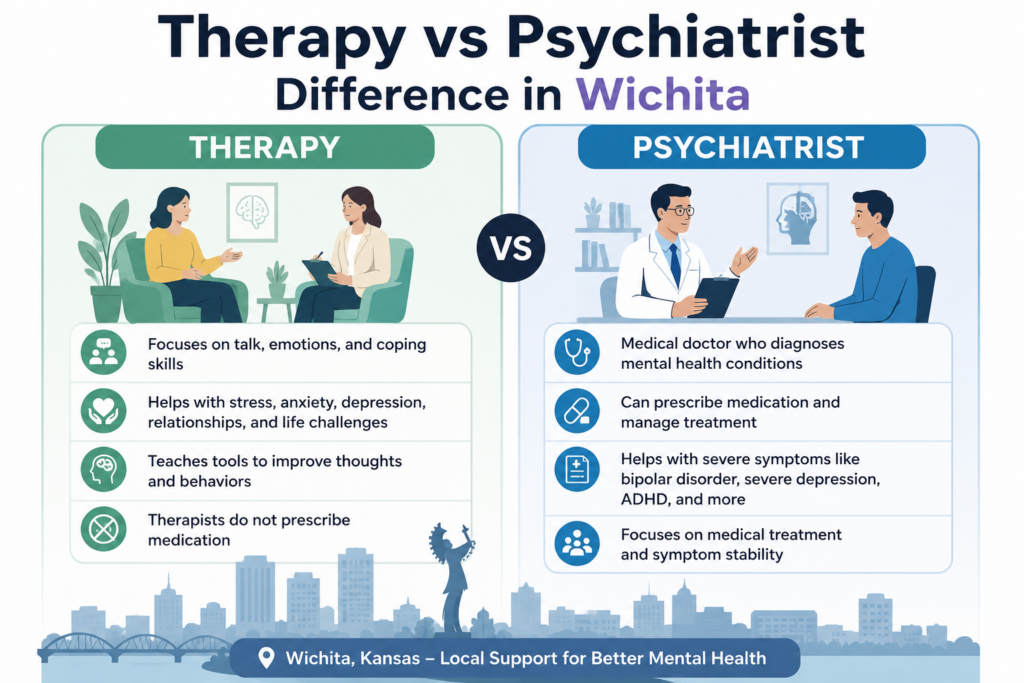
A psychiatrist helps with mental health symptoms that affect emotions, behaviour, sleep, focus, and daily life in a meaningful way. As a medical doctor, a psychiatrist is trained to diagnose mental health conditions, understand how different symptoms are connected, and create a personalised treatment plan based on individual needs. While therapists and psychiatrists both support mental well-being, a psychiatrist also has the ability to prescribe medication when it is required for treatment. Seeing a psychiatrist does not mean something is wrong with a person; instead, it reflects a conscious decision to seek care, gain clarity, and begin the process of healing and emotional recovery.
Persistent Sadness Can Be a Sign You Should See a Psychiatrist.
Persistent sadness is one of the clearest signs that you should seek psychiatric evaluation. A low mood that stays for weeks is more than a bad day. Some people feel tearful and overwhelmed. Some feel emotionally numb. Some keep going through work and family life while feeling empty inside. Depression does not always look dramatic. Losing interest in things you once enjoyed, struggling to get out of bed, feeling hopeless, or feeling like joy has disappeared are all strong reasons to seek professional help.
Anxiety That Does Not Switch Off Needs Professional Attention.
Anxiety that does not switch off can be a strong sign that it is time to seek psychiatric care. Every day, stress comes and goes. Clinical anxiety often stays in the background all day, even when nothing obvious is happening. You may notice racing thoughts, chest tightness, panic attacks, restlessness, stomach discomfort, or a constant feeling that something bad is about to happen. An anxious mind can make normal life feel unsafe. Avoiding work, social plans, travel, or sleep because of fear is a clear sign that clinical evaluation may help.
Sleep, Appetite, and Energy Changes Should Not Be Ignored.
Changes in sleep, appetite, and energy often show that clinical intervention may be needed. Your mind and body are deeply connected. Trouble falling asleep, waking too early, sleeping too much, eating much less, overeating, or feeling drained every day can be linked with depression, anxiety, trauma, or another mental health condition. Physical changes are sometimes the first clue. A psychiatric assessment can help identify what may be causing those shifts and how treatment can bring balance back.
Trouble Managing Daily Life Is a Warning Sign.
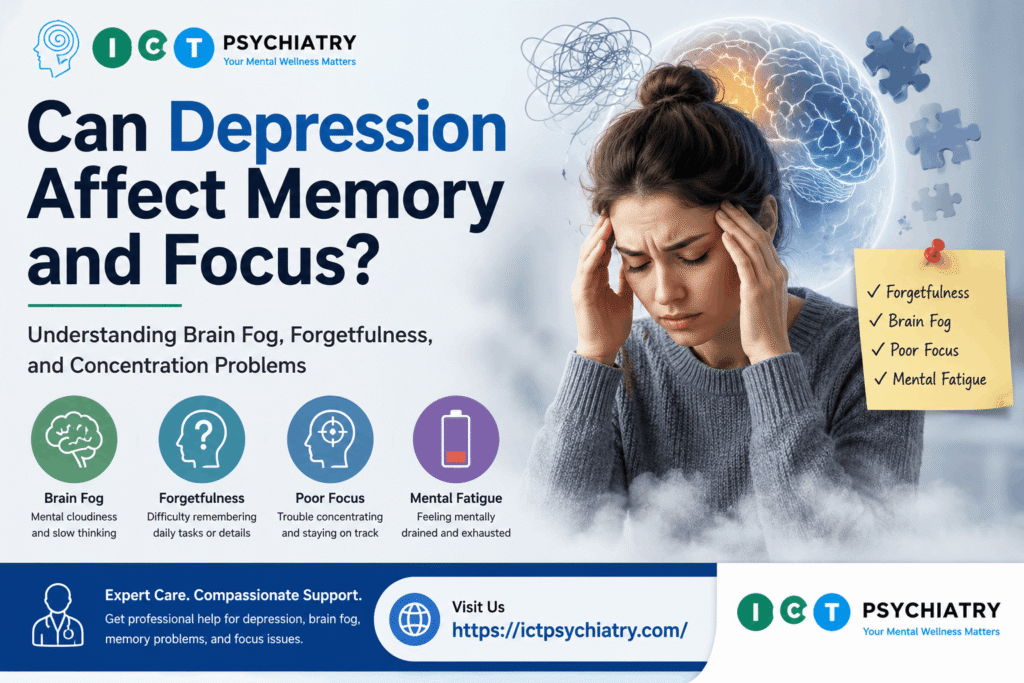
Trouble managing daily life is a major sign that your mental health needs clinical attention. Some symptoms begin quietly, then slowly affect work, studies, home life, and relationships. Missing deadlines, losing focus, forgetting simple tasks, pulling away from loved ones, or reacting with unusual anger can all point to a deeper emotional struggle. Life does not need to completely fall apart before treatment becomes necessary. A growing difficulty with daily responsibilities is already a valid reason to reach out.
Thoughts of Self-Harm or Hopelessness need urgent psychiatric care.
Thoughts of self-harm or hopelessness need urgent psychiatric support. Feeling like you do not want to be here, thinking others would be better without you, or imagining ways to hurt yourself are signs that immediate help is needed. Contact emergency services, a local crisis line, or go to the nearest emergency room right away. Reaching out to a trusted friend or family member in that moment can also help keep you safe. There is real help for this kind of pain. You do not need to carry it alone.
Panic Attacks, Mood Swings, or Strong Emotional Reactions Deserve Evaluation.
Panic attacks, mood swings, or strong emotional reactions can signal a condition that needs professional evaluation. Sudden episodes of terror, intense anger, emotional highs and lows, or feeling unable to control your reactions may be more than everyday stress. These symptoms can affect your safety, your decisions, and your relationships. A psychiatrist looks at the full pattern, not just one difficult day. That wider view often leads to a clearer diagnosis and a better treatment plan.
Using Alcohol or Drugs to Cope Can Point to a Deeper Problem.
Using alcohol or drugs to cope can be a sign that psychiatric care is needed. Sometimes emotional pain gets numbed instead of treated. Drinking to sleep, using substances to calm anxiety, or depending on something outside yourself just to get through the day usually means a deeper issue needs attention. Real healing begins when the pain underneath is understood. A psychiatrist can help treat both the emotional struggle and the unhealthy coping pattern.
Trauma Symptoms That Stay With You Should Be Treated.
Trauma symptoms that stay with you require psychiatric care and treatment. Painful experiences do not always stay in the past. Nightmares, flashbacks, sudden fear, feeling constantly on edge, or shutting down emotionally can all be signs of unresolved trauma. Even an old experience can continue shaping how you think, feel, and respond. Trauma treatment can help you feel safe in your own mind again. Psychiatric support can be especially helpful when trauma symptoms are severe, long-lasting, or connected with anxiety, depression, or sleep problems.
When Therapy Alone Does Not Feel Enough, a Psychiatrist Can Help.
When therapy alone does not feel enough, psychiatric consultation may be the next step. Talk therapy is powerful, but some symptoms also need medical evaluation. Ongoing panic, severe depression, intrusive thoughts, major sleep problems, or unstable mood can sometimes improve with medication support along with therapy. Medication is not the answer for everyone. A psychiatrist helps you understand whether it makes sense for your situation, what benefits to expect, and how to use it safely.
What Happens During a Psychiatrist Appointment?
A psychiatrist appointment usually begins with a conversation about your symptoms, health history, daily life, and goals. Your first visit is not about judgment. It is about understanding what you have been carrying. You may be asked when the symptoms started, how they affect your routine, whether mental health conditions run in your family, and what kind of support you have right now. Treatment is personal. Some people need a diagnosis and a clear plan. Some need medication management. Some need reassurance, guidance, and the right referrals. A good psychiatrist listens carefully before deciding what comes next.
Early Mental Health Treatment Can Change Everything.
Early mental health treatment helps reduce suffering before symptoms become heavier. Waiting often makes things harder. Anxiety can grow more limiting. Depression can feel more isolating. Relationships can carry more strain. Work and daily life can start feeling impossible. You do not need to prove that you are sick enough to deserve care. The moment your mental health begins affecting your peace, your routine, or your relationships is already a good time to ask for help.
Seeing a Psychiatrist Is a Strong Step, Not a Last Resort.
Seeing a psychiatrist is a strong step toward healing, not a last resort. That quiet voice inside you that says something is not right deserves attention. Trusting that voice can protect your health, your relationships, and your future. Support can help you feel like yourself again, or help you meet a healthier version of yourself for the first time in a long while.
Book Your Consultation With ICT Psychiatry.
ICT Psychiatry offers compassionate mental health care for people who are ready for clarity, support, and real treatment. You do not have to wait for a crisis, a breakdown, or another painful month to pass. A conversation with the right psychiatrist can bring answers, relief, and hope. Visit https://ictpsychiatry.com/ to learn more and book a confidential appointment with ICT Psychiatry today.